
Post-Pill Acne: Why It Happens, How Long It Lasts, and What Actually Helps
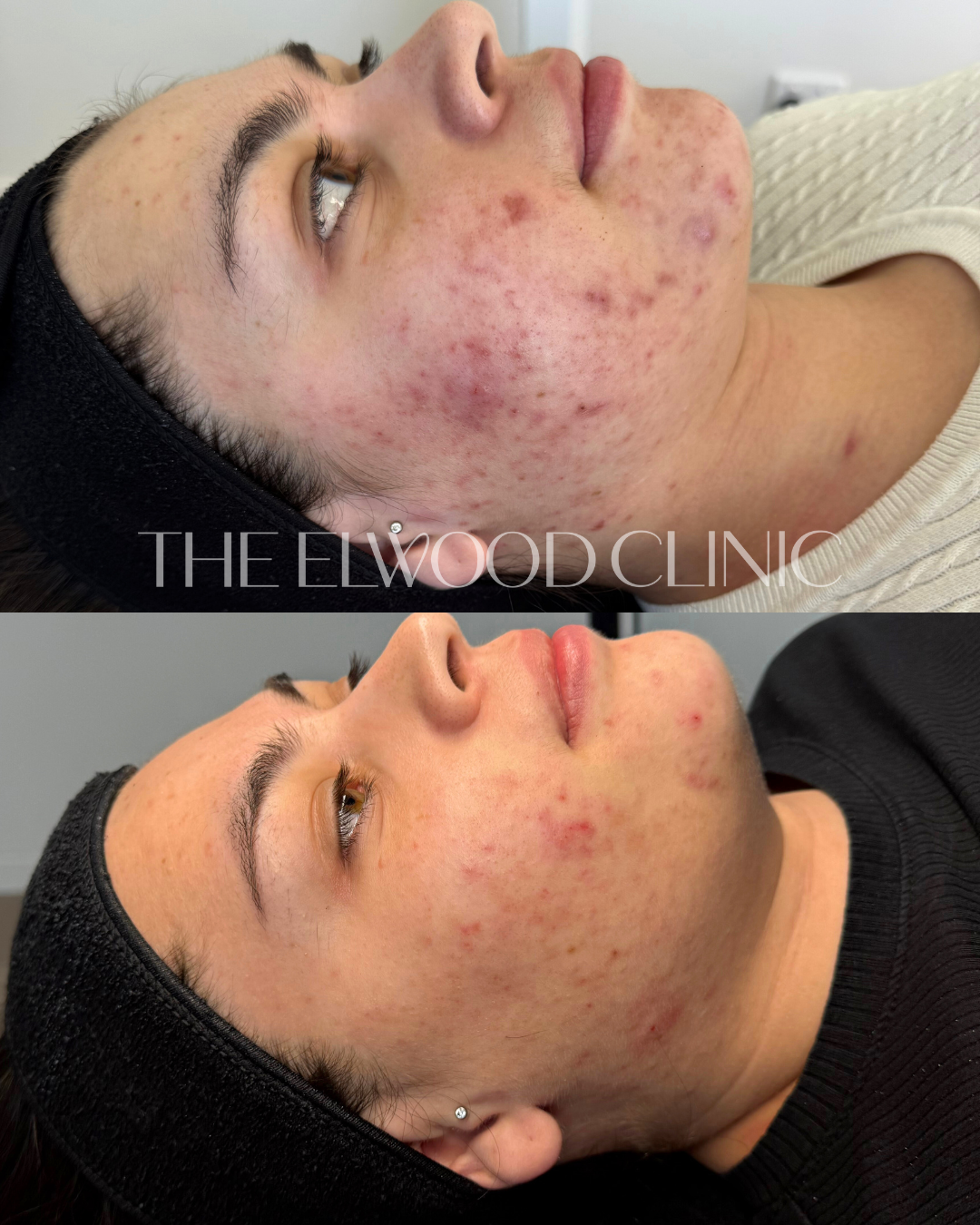
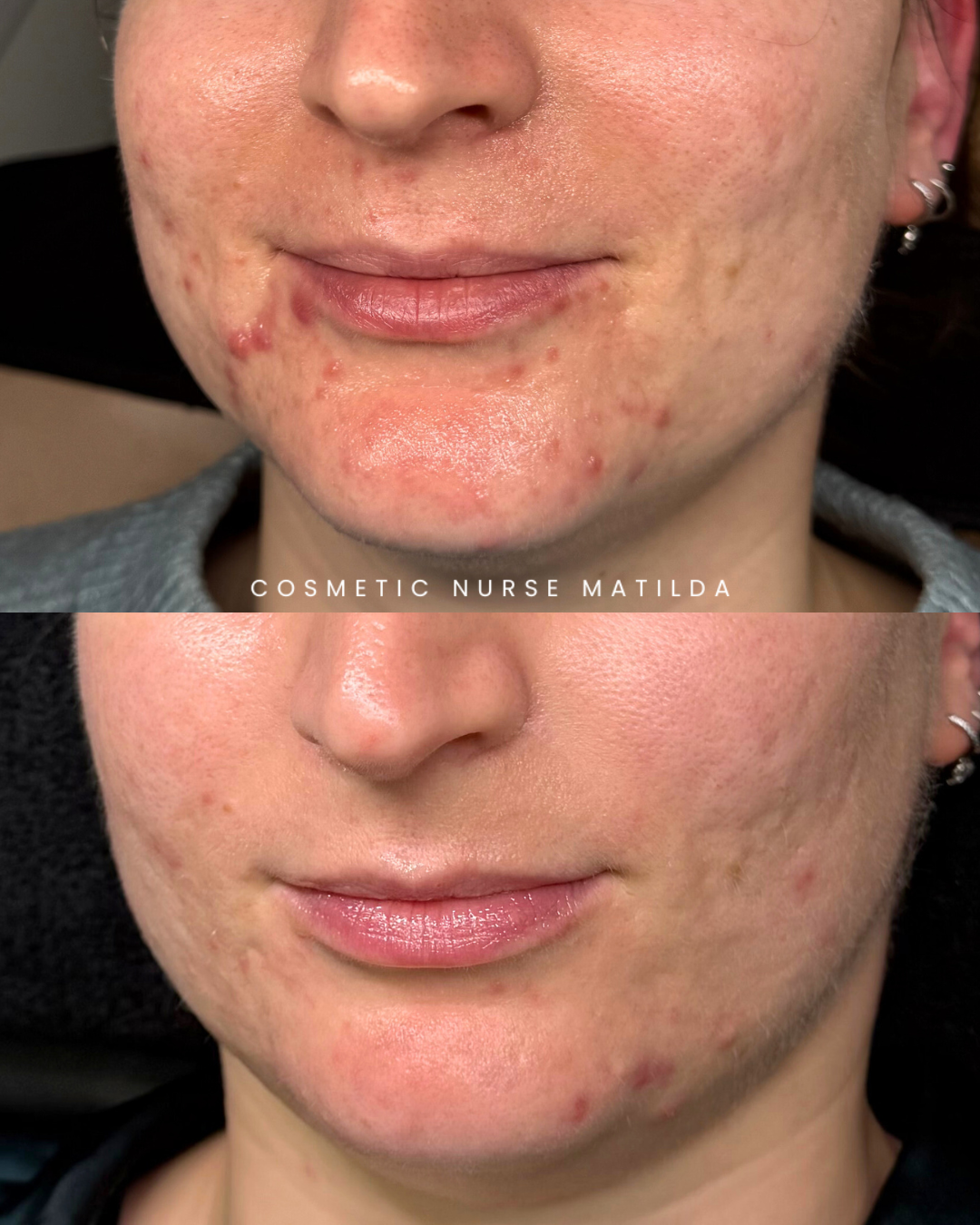
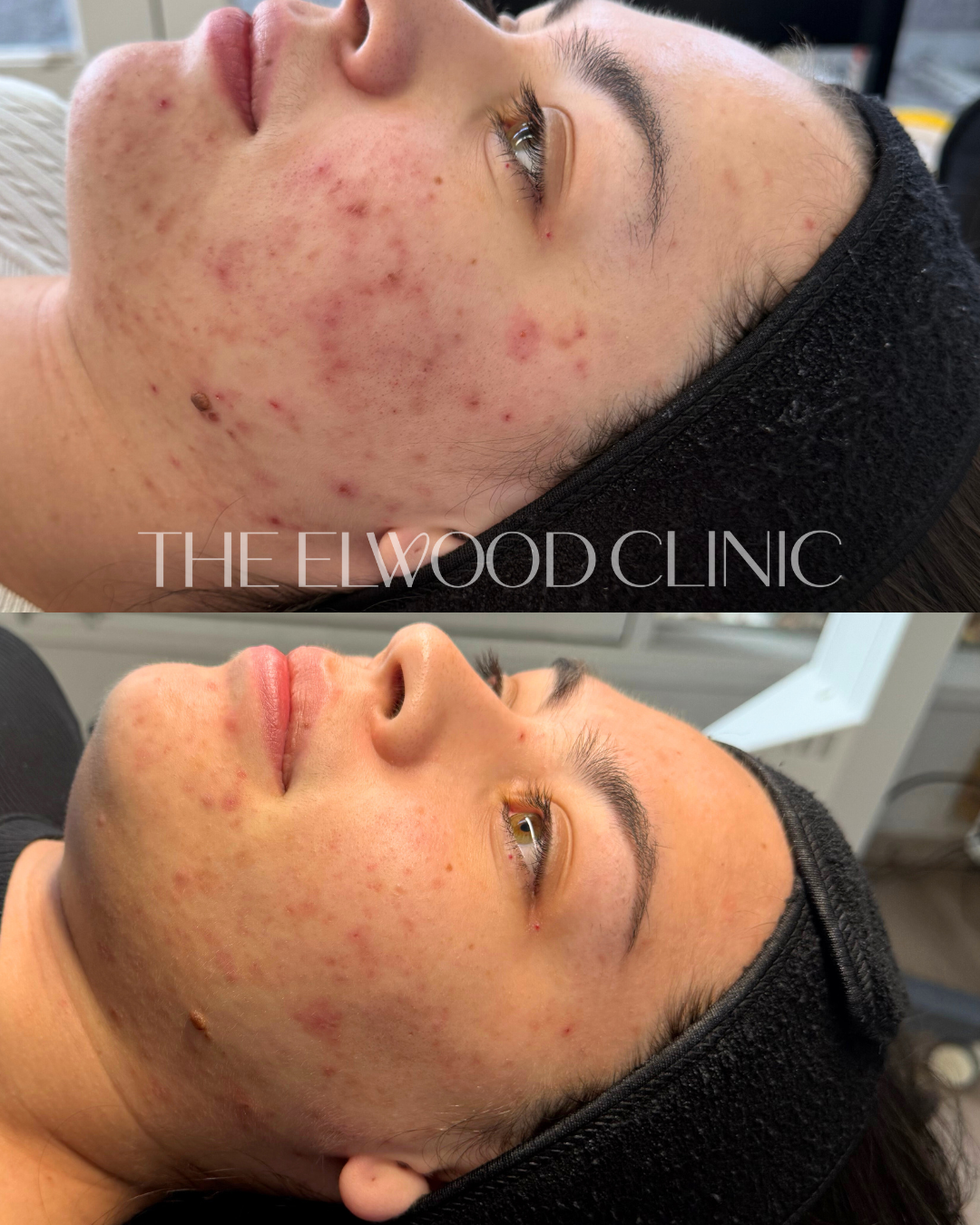
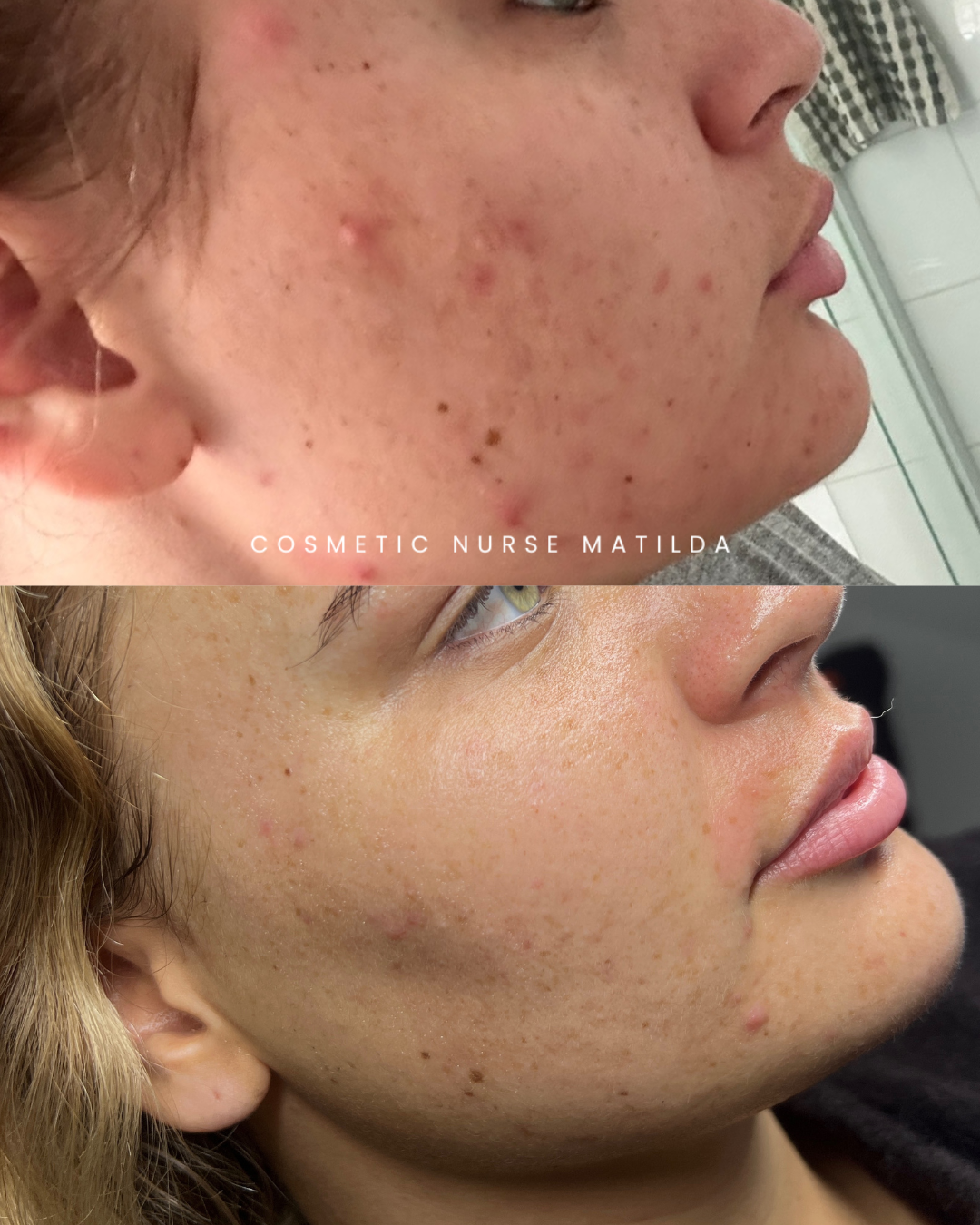
You came off the pill feeling ready. Maybe you'd been on it for years and wanted to give your body a break. Maybe you were planning for a family. Maybe you just felt like it was time to get to know your hormones again.
And then, a few months later. Your skin had other ideas.
Breakouts along the jaw. Cystic lumps that don't come to a head. Congestion that won't shift no matter what you put on your face. Skin that feels completely foreign to you.
Post-pill acne is a common side effect when stopping hormonal birth control caused by the hormonal fluctuations that occur as the body adjusts back to its natural hormone levels. And if you went on the pill in the first place to manage acne or hormonal symptoms, those same concerns are very likely to resurface when you stop.
This is not your fault. It is not a sign that something is permanently wrong. But it does need a real plan, not just a new moisturiser.
What the Pill Was Actually Doing to Your Skin
To understand post-pill acne, it helps to understand what the pill was doing to your hormones in the first place.
The oral contraceptive pill contains synthetic hormones that suppress ovulation and in doing so, suppress testosterone levels and sebum production to levels comparable to prepubescent skin. Less sebum means fewer blocked pores, which is why the pill is so commonly prescribed for acne. But here's the important part: the pill doesn't address the underlying reason for your hormonal acne, it places a cover over it
The pill raises sex hormone-binding globulin (SHBG) by up to four times. SHBG binds and inactivates hormones, meaning androgen levels can plummet while you're on the pill, suppressing sebum production significantly.
When you stop, that suppression lifts and the rebound can be significant.
Why the Breakouts Happen After Stopping
When you stop the pill, your ovaries begin producing hormones again and you experience a temporary surge in androgens. This, combined with the skin's upregulation of sebum production, triggers breakouts.
Androgens stimulate the sebaceous glands, encouraging excess oil production. When this excess oil mixes with dead skin cells, it blocks pores and creates the environment for bacteria to grow, leading to inflammation and breakouts.
This process typically begins around month three after stopping the pill and peaks around month six. It can last anywhere from 12 to 18 months.
But the androgen surge is only part of the picture. The pill also affects your gut and your gut has more to do with your skin than most people realise.
The Gut-Skin Connection Nobody Talks About
The pill can disrupt gut health in several ways, altering the balance of gut bacteria, contributing to intestinal permeability, and affecting bile flow. Disrupted gut bacteria can actually increase androgen production internally, adding to the hormonal load on your skin.
Long-term use of the oral contraceptive pill can also deplete essential nutrients including zinc, B vitamins, vitamin C and magnesium, all of which are crucial for skin health.
Zinc, in particular, is significant. Sufficient zinc is essential to prevent testosterone from converting into dihydrotestosterone, a more potent androgen that is three to five times more acne-promoting than testosterone alone.
This is why a post-pill skin approach that only addresses what's on the surface. New serums, stronger actives, spot treatments, so often falls short. The drivers are internal. The solution needs to be too.
Why This Needs a Holistic Approach
Post-pill acne is not a simple skin condition. It sits at the intersection of hormonal health, gut health, nutritional status, and skin function, all of which have been influenced by years of synthetic hormone use.
Treating the surface without investigating what's underneath is like turning off a smoke alarm without looking for the fire.
A genuinely effective approach addresses all of it:
Hormonal rebalancing understanding what your hormones are actually doing post-pill, through targeted testing and clinical assessment, so that treatment is built around real data rather than guesswork.
Gut support restoring the gut microbiome and addressing intestinal permeability that may have developed during pill use, so that androgens aren't being produced and recycled internally.
Nutritional restoration replenishing the nutrients the pill depletes, particularly zinc, B vitamins and magnesium, which are directly involved in sebum regulation and skin repair.
In-clinic skin treatment addressing the visible skin changes. Active breakouts, post-inflammatory marks, congestion — with clinical treatments while the internal work takes effect.
This is the whole-body approach. And it's the only approach that produces lasting results.
Where Mia Comes In
At The Elwood Clinic, we have something most skin clinics don't: an in-house naturopath.
Mia works specifically with the internal drivers of skin health, hormones, gut function, nutrition, and stress. For post-pill acne, her role is central. A naturopath can help support the transition off the oral contraceptive pill by working preventatively and addressing the body's hormonal, gut and nutritional needs helping to reduce the severity of symptoms and support healthy hormone production from the inside out.
When you come to The Elwood Clinic for post-pill acne, Mia's initial naturopathic consultation is built into your program from the very beginning. She'll take a detailed history, assess the internal factors at play including nutrient status, gut health and hormonal patterns and build a naturopathic plan that works alongside your in-clinic skin treatments.
This isn't an add-on. It's the foundation.
The Acne Reset, Built for Exactly This
The Acne Reset program was designed for people who are done guessing and ready for a structured, evidence-informed plan.
It combines:
5x Helios Pico Laser treatments targeting post-acne marks, pigmentation and active acne at a clinical level
5x Blemish Enzyme Peels addressing active breakouts, congestion and skin renewal on the surface
An initial consultation with Mia, our in-house naturopath investigating and addressing the internal drivers of your acne
A complete medical-grade skincare kit supporting your skin at home between appointments, chosen specifically for acne-prone skin
Everything working together, from the inside out, over a structured five-month period.
For more persistent or severe post-pill acne, the 10-Month Acne Reset Intensive offers the same framework with double the treatments and extended support.
This is not a "try this and see" approach. It is a plan and the hard work of figuring out what that plan should be has already been done.
What to Do Right Now
If you're currently experiencing post-pill acne, here's what actually helps and what doesn't:
What helps:
Getting a proper hormonal and nutritional assessment, so you know what's actually driving your breakouts
Supporting gut health through diet, targeted probiotics and naturopathic guidance
Restoring nutrient deficiencies particularly zinc, magnesium and B vitamins
Consistent, gentle clinical skin treatment, not aggressive products that strip the skin barrier further
Patience and a structured plan, post-pill acne takes time to resolve, but it does resolve with the right support
What doesn't help:
Trying every new product on the market, this disrupts the skin barrier and rarely addresses the hormonal cause
Waiting it out alone without support, 12–18 months is a long time to suffer unnecessarily
Going back on the pill, this suppresses the symptoms again without resolving the underlying cause
The Bottom Line
Post-pill acne is real, it's common, and it is not something you simply have to endure. It is a complex hormonal response that affects a significant proportion of women who stop taking the pill and it deserves a response that matches that complexity.
If your skin has changed since stopping the pill and you're ready for a plan that addresses all of it, not just what's on the surface. We'd love to help.
This article is intended for general informational purposes only and does not constitute medical advice. Please consult a qualified healthcare practitioner regarding your individual circumstances.